A waterfront with room to scan
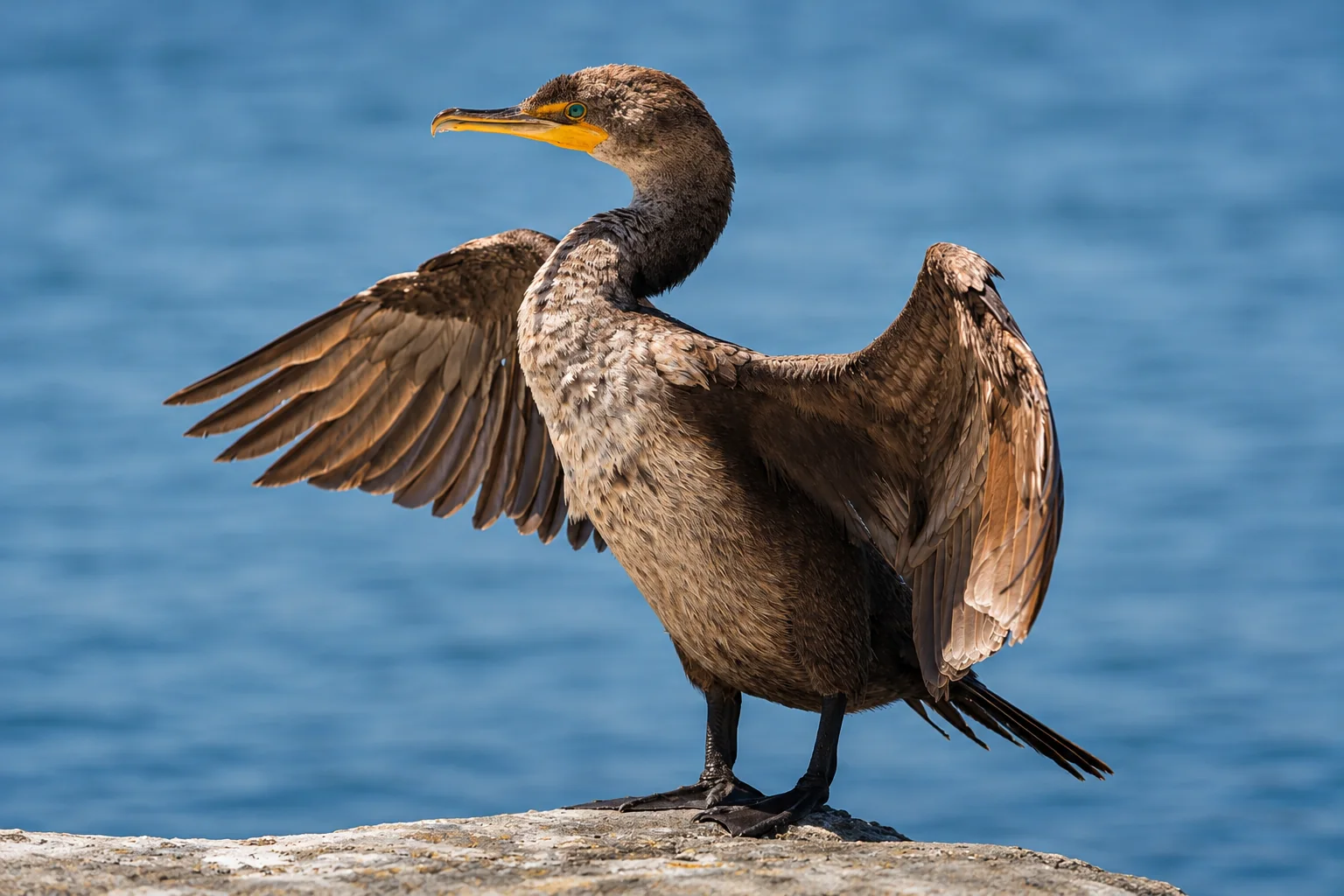
Ashbridges Bay Park opens onto a wide waterfront where birds can be spread across a large area. Rather than walking continuously, choose a clear viewpoint and scan methodically from sheltered water toward the open lake. Different conditions can concentrate birds in different parts of the bay.
Watch water and vegetation
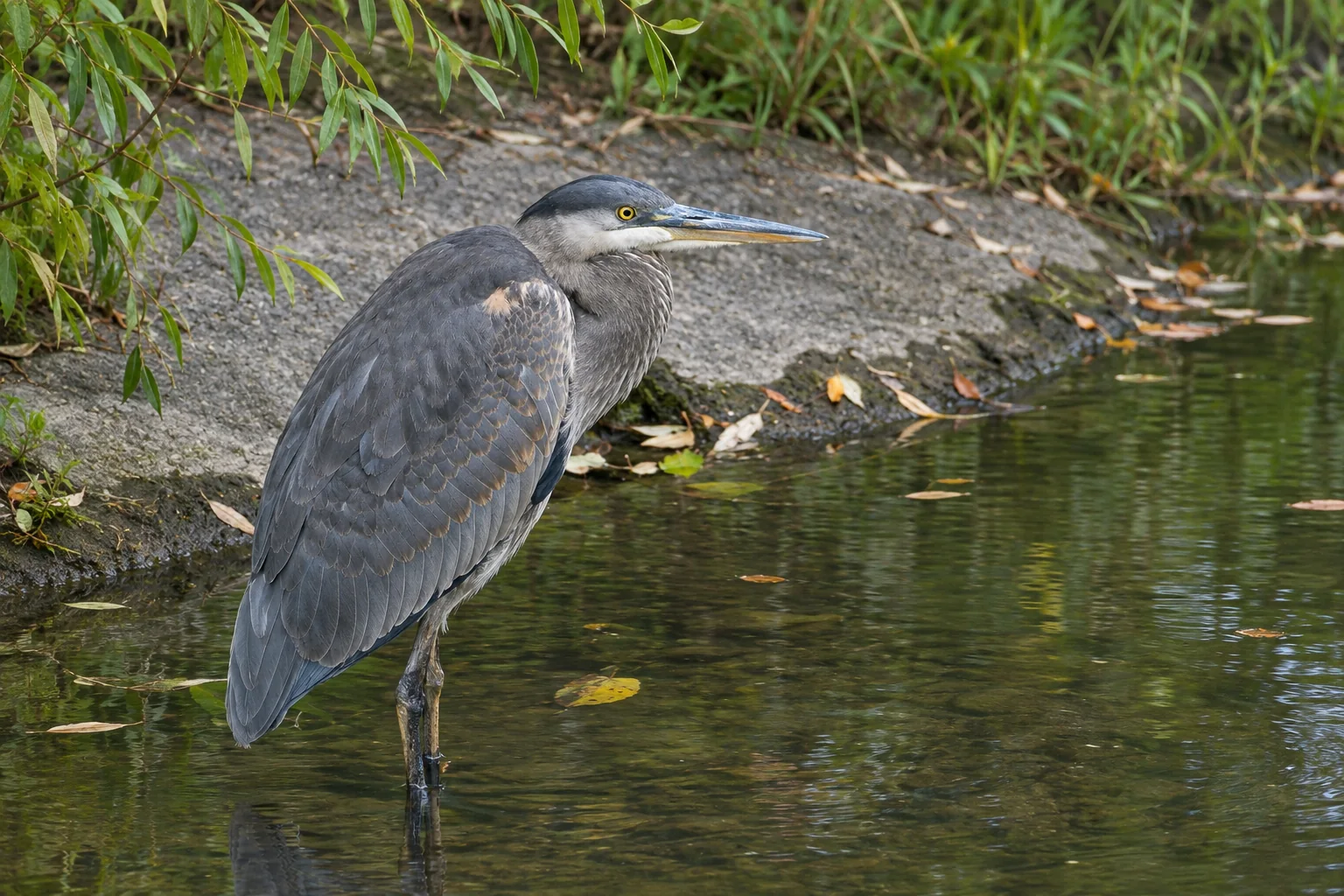
Gulls and waterfowl are the most visible possibilities, but nearby planted or wetland edges can hold songbirds and other animals. Herons require quiet shallows, and smaller birds often disappear into cover when a busy path approaches. Binoculars help you observe without closing that distance.
Migration and winter water
Spring and autumn bring changing birdlife along Toronto’s shoreline. Summer activity can be harder to find during busy periods, while winter rewards careful scanning of open water. Wind exposure is significant, so dress for the lake rather than the surrounding streets.
Plan around events
The park hosts gatherings and fireworks that can transform noise and crowd levels. Check event and parking notices before a birding visit, and choose another waterfront location if conditions are unsuitable. Never feed gulls or flush a flock for a photograph.
Animals to look for
Wild sightings are seasonal and never guaranteed. Use paths and designated viewpoints around sensitive water edges.
- Gulls
- Waterfowl
- Great blue heron
- Migrating birds
- Songbirds
- Waterside insects
Visitor questions
What wildlife can I see at Ashbridges Bay Park?
Gulls, waterfowl and seasonal migrating birds are the main possibilities. Nearby vegetated waterfront edges can add songbirds and other wildlife.
When is the best time for birdwatching?
Spring and autumn are especially useful for movement along the waterfront. Winter can also be productive wherever suitable open water remains.
Is Ashbridges Bay Park free?
The public park and waterfront paths are free to access. Check current event, parking and shoreline notices before visiting.