From quarry floor to living habitat
The ponds and planted areas at Evergreen Brick Works sit within the wider Don Valley rather than apart from it. Water, reeds, meadow and nearby forest provide different shelter and feeding opportunities. Wildlife can move through the ravine even when no animals are immediately visible around the buildings.
Watch the pond edges
Herons may fish along shallow margins, turtles use suitable basking spots and ducks move between open water and cover. Scan before approaching a viewpoint, then remain still. Stepping off the path for a closer angle can damage vegetation and disturb the animals that make the edge worthwhile.
Birds, foxes and smaller neighbours
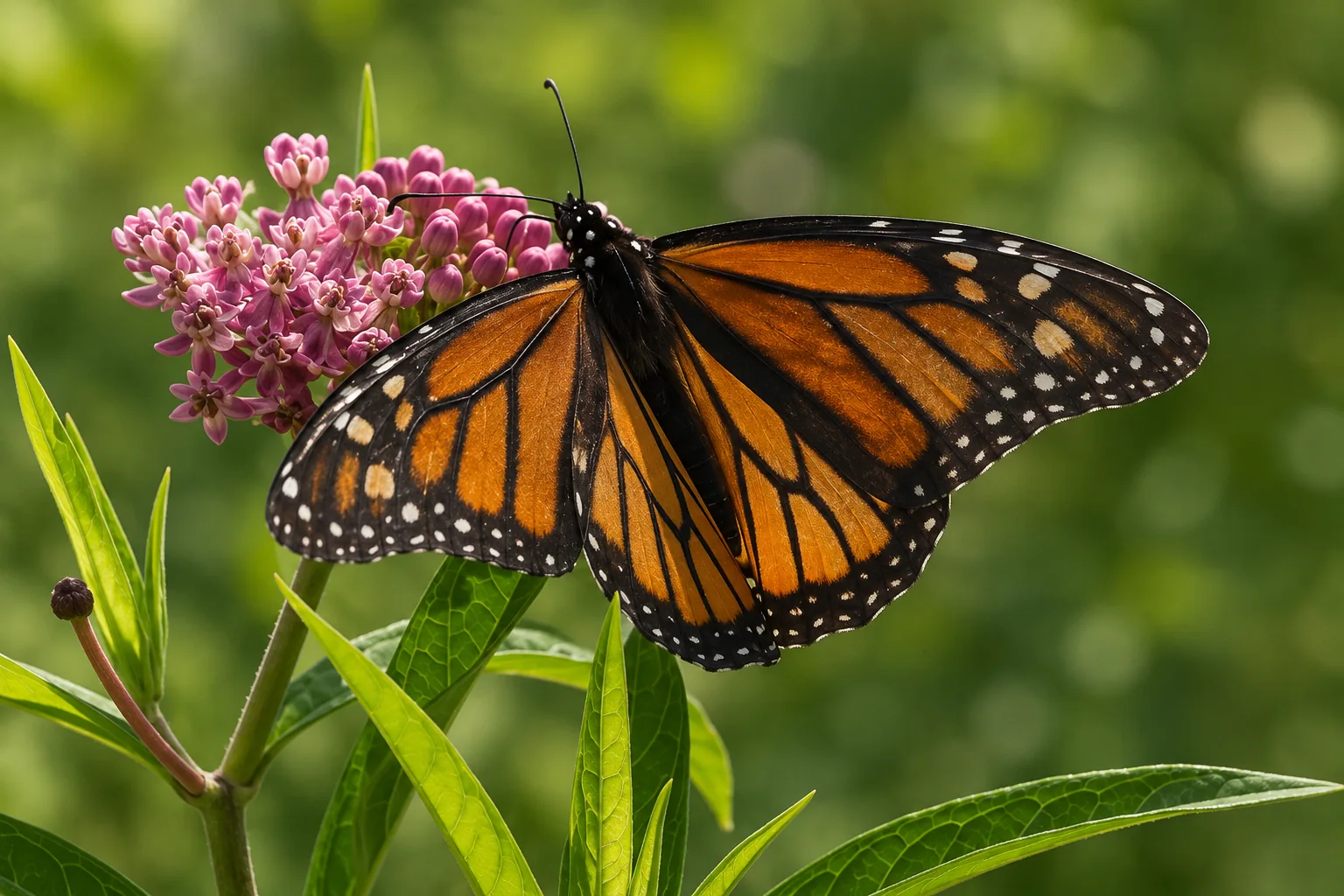
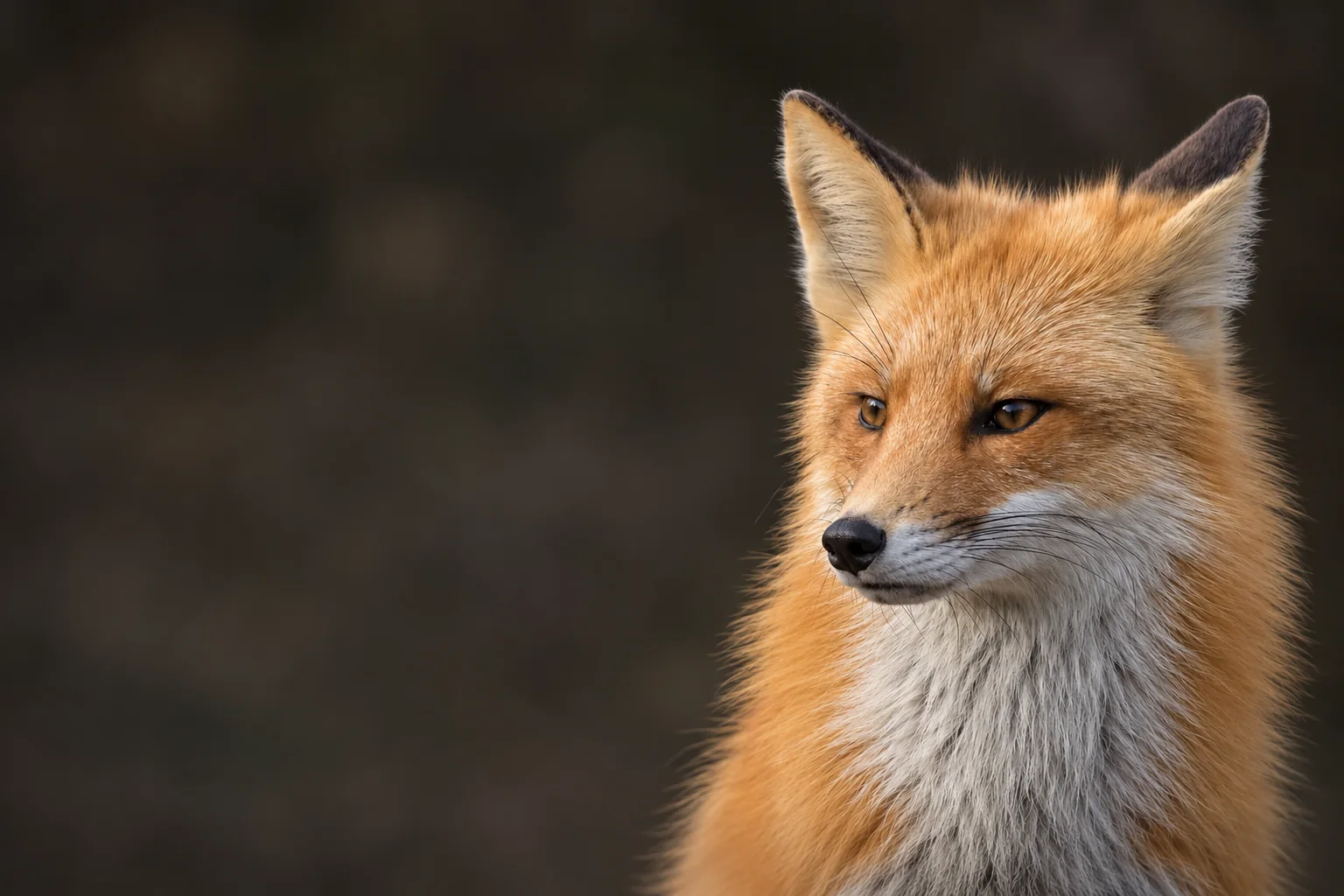
Woodpeckers and songbirds use trees around the site, while foxes and other mammals may travel through quieter parts of the valley. Warm months bring bees, butterflies and other insects to native flowers. A fox sighting should be enjoyed at a distance, never with food or an attempt to follow.
Plan around activities
Markets and events can make the central site busy, so an early start is useful for quieter observation. Check current programme, parking and trail notices. Nearby ravine routes can extend the outing, but weather and slope conditions should guide how far you go.
Animals to look for
Wild sightings are seasonal and never guaranteed. Stay on marked routes and let animals move away without pursuit.
- Great blue heron
- Black-crowned night heron
- Woodpeckers
- Red fox
- Turtles
- Native pollinators
Visitor questions
What wildlife can I see at Evergreen Brick Works?
Herons, woodpeckers, songbirds, foxes, turtles and pollinators are among the animals associated with the site. Every wild sighting depends on season and timing.
Can I visit the ponds and trails for free?
The public outdoor areas are generally free to explore. Some programmes and events have separate admission or registration requirements.
When is the best time for wildlife watching?
Quiet mornings are useful for birds and mammals. Warm months add wetland and pollinator activity, while spring and autumn bring changing birdlife.