Infrastructure that also provides habitat
Corktown Common manages water and protects the surrounding neighbourhood while creating planted public space. Its slopes, meadow and wet areas are more than scenery: they offer feeding and shelter opportunities within the West Don Lands.
Use the boardwalk as a hide
The boardwalk lets visitors look across marsh vegetation without stepping into it. Pause and watch stems, water and nearby trees for birds and insects. Sudden movement can erase activity, so settle into one viewpoint before changing position.
Meadow life through the year
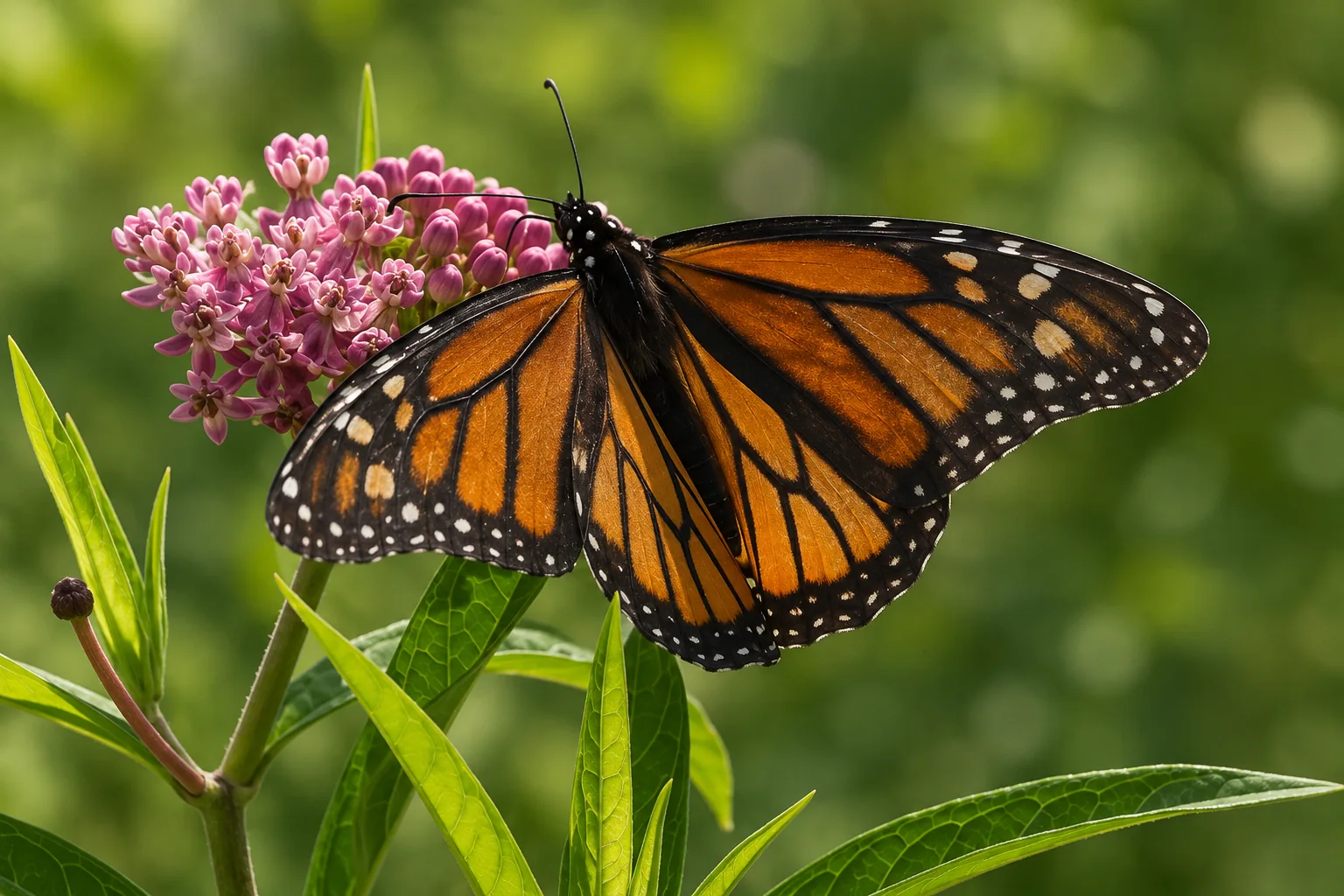
Warm months bring butterflies, native bees and other insects to flowers and grasses. Birds use the same landscape for feeding, cover and movement. Spring and autumn add migration, while winter reveals structure, tracks and the animals that remain active.
A compact stop, not a wilderness trail
The park works well for a short observation session or as part of a longer Don Valley walk. Stay on paths and the boardwalk, keep dogs under control and avoid picking plants. Nearby streets and visitors are part of the setting, so quieter times usually improve the experience.
Animals to look for
Wild sightings are seasonal and never guaranteed. Small animals are easily disturbed by handling or off-trail movement.
- Songbirds
- Marsh birds
- Monarch butterfly
- Native bees
- Dragonflies
- Small mammals
Visitor questions
What wildlife can I see at Corktown Common?
Birds, butterflies, native bees and other small animals use the meadow and marsh habitat. Activity varies with weather and season.
Is Corktown Common free to visit?
The public park and boardwalk are free to access. Check current maintenance or path notices before visiting.
Can I walk into the marsh for a closer look?
No. Stay on paths and the boardwalk so wet ground, plants and wildlife habitat remain undisturbed.