Beyond the gardens
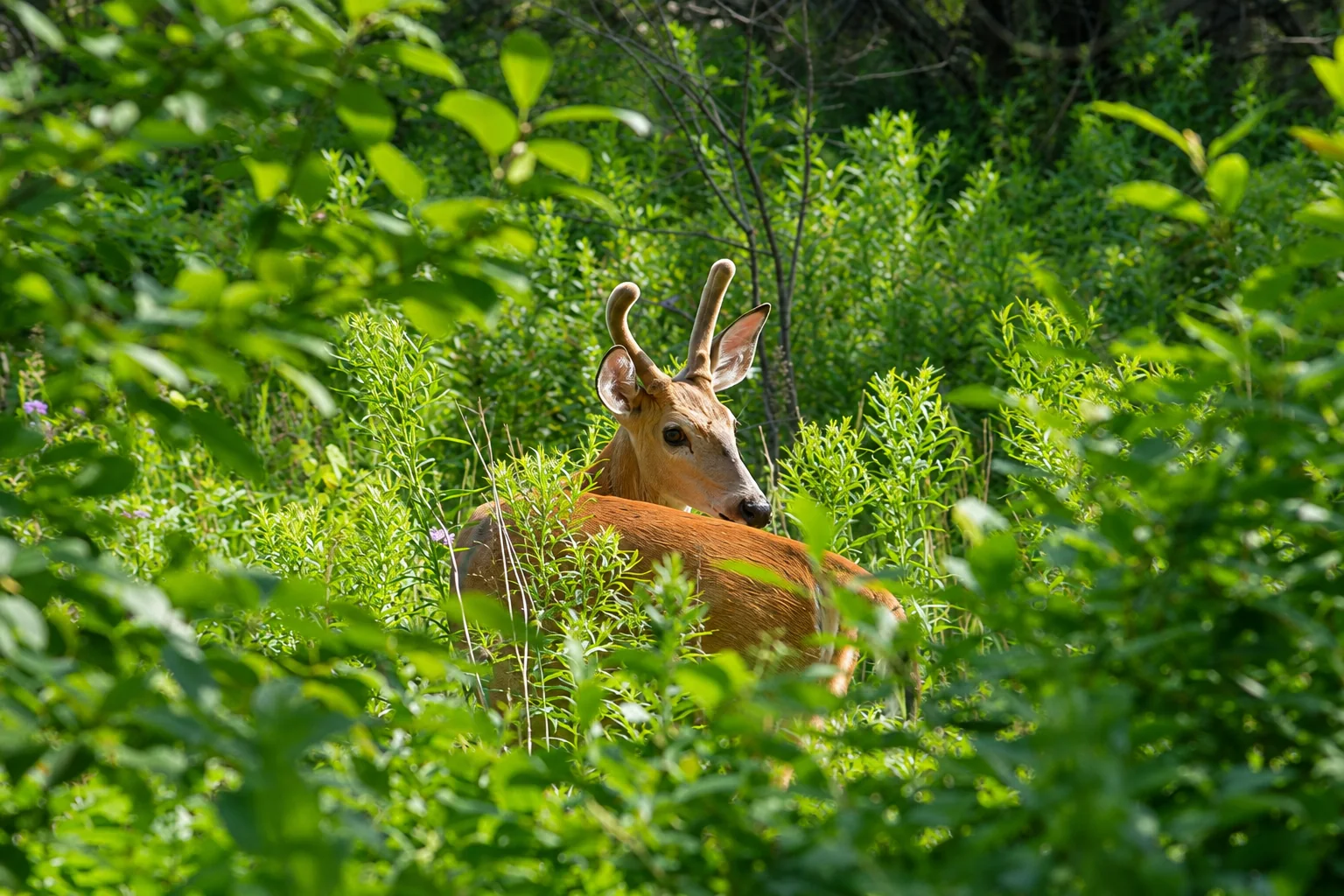
Approximately two-thirds of High Park remains in a natural state. Its black oak savannah is part of a globally rare ecosystem, and Grenadier Pond adds wetland habitat to the landscape. These areas support different experiences through the year, from spring migrants and emerging amphibians to summer insects and winter tracks.
Watch the pond edge
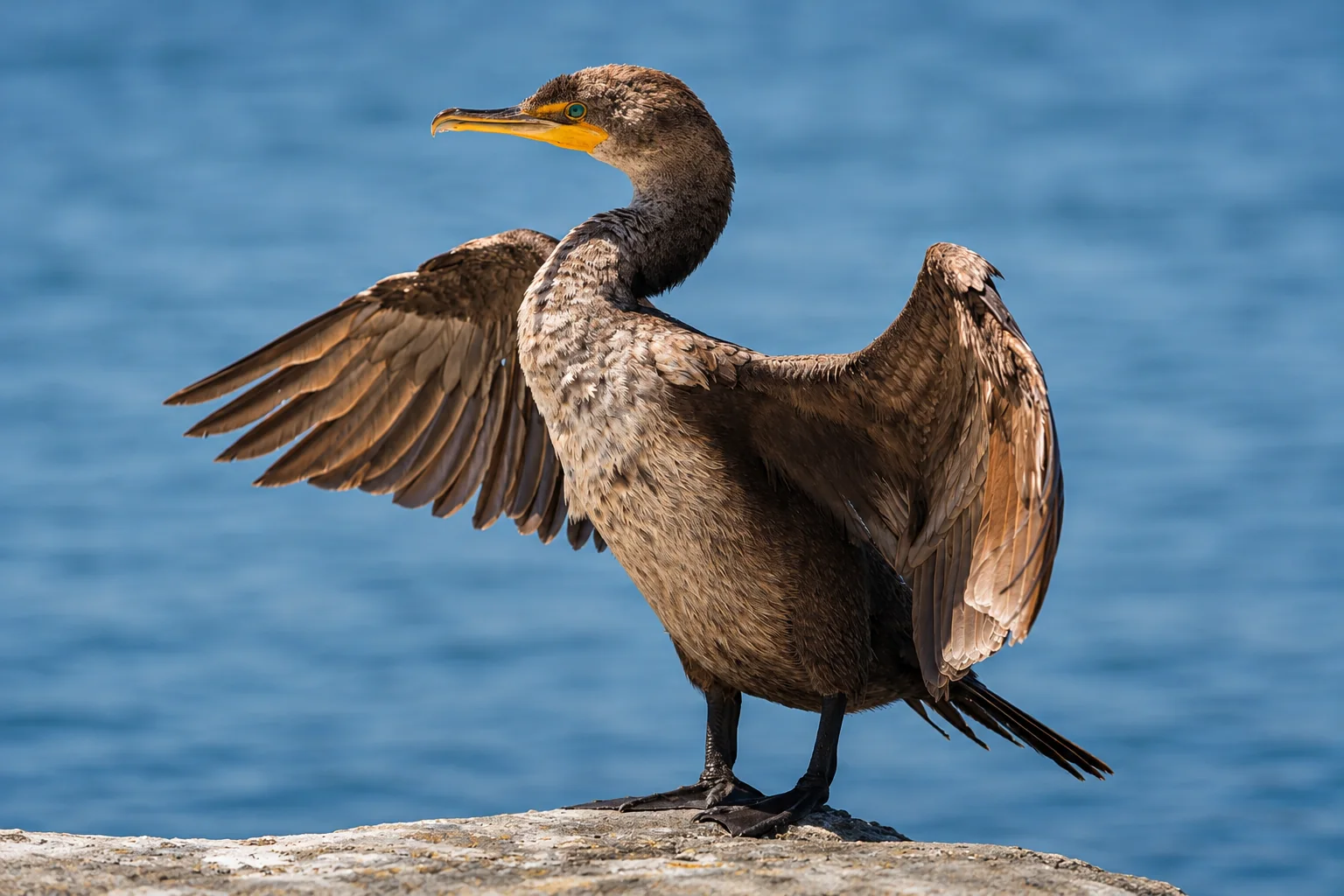
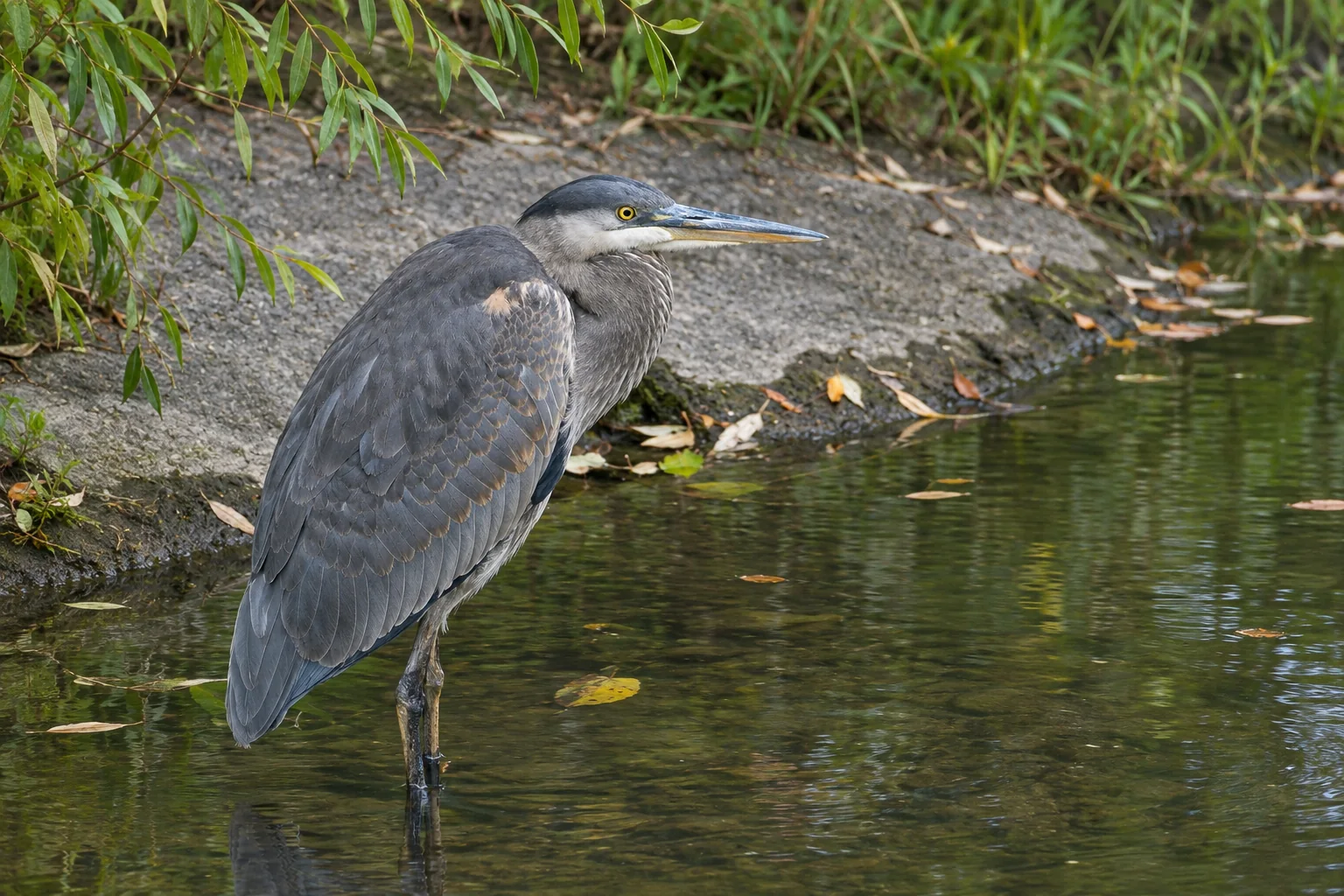
A great blue heron may stand motionless in shallow water while ducks and other water birds move farther out. Scan rather than walk straight to the shoreline, then choose a position that does not disturb feeding or resting animals. Nearby woodland can reveal woodpeckers, squirrels and seasonal songbirds.
A habitat worth protecting
Stay on formal trails, especially around savannah and restoration areas. Unpaved routes are not maintained in winter, and muddy shortcuts damage the habitat that makes sightings possible. Dogs must be leashed outside designated off-leash areas.
Animal Display closure
The historic Animal Display has been a familiar part of the park for generations, but it is not currently open. Road improvements began on October 13 and the closure is scheduled to continue through spring 2027. Do not plan a visit around the bison, llamas or other display animals until the City announces reopening.
Animals to look for
Wild sightings are seasonal and never guaranteed. In managed settings, daily animal care can also affect viewing.
- Great blue heron
- Woodpeckers
- Wetland birds
- Native pollinators
- Squirrels
- Seasonal amphibians