Toronto’s wild mosaic
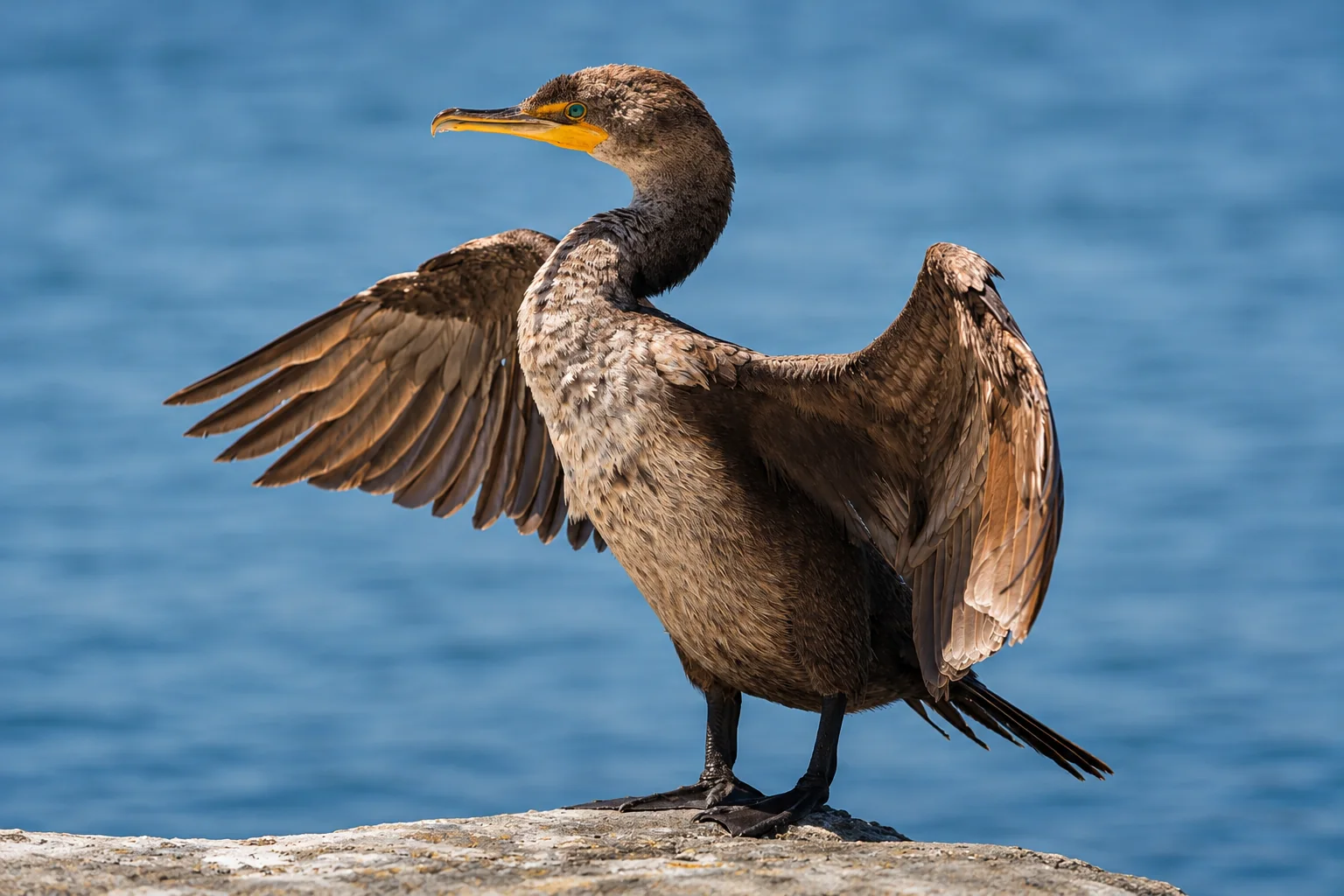
The park records 44 mammal species, 247 bird species, 27 reptile and amphibian species, and 73 fish species. Those numbers reflect the range of habitats rather than a promise of easy sightings. A single trail can pass through cool forest, open meadow and marsh-edge vegetation, each with its own animal activity.
What to look for
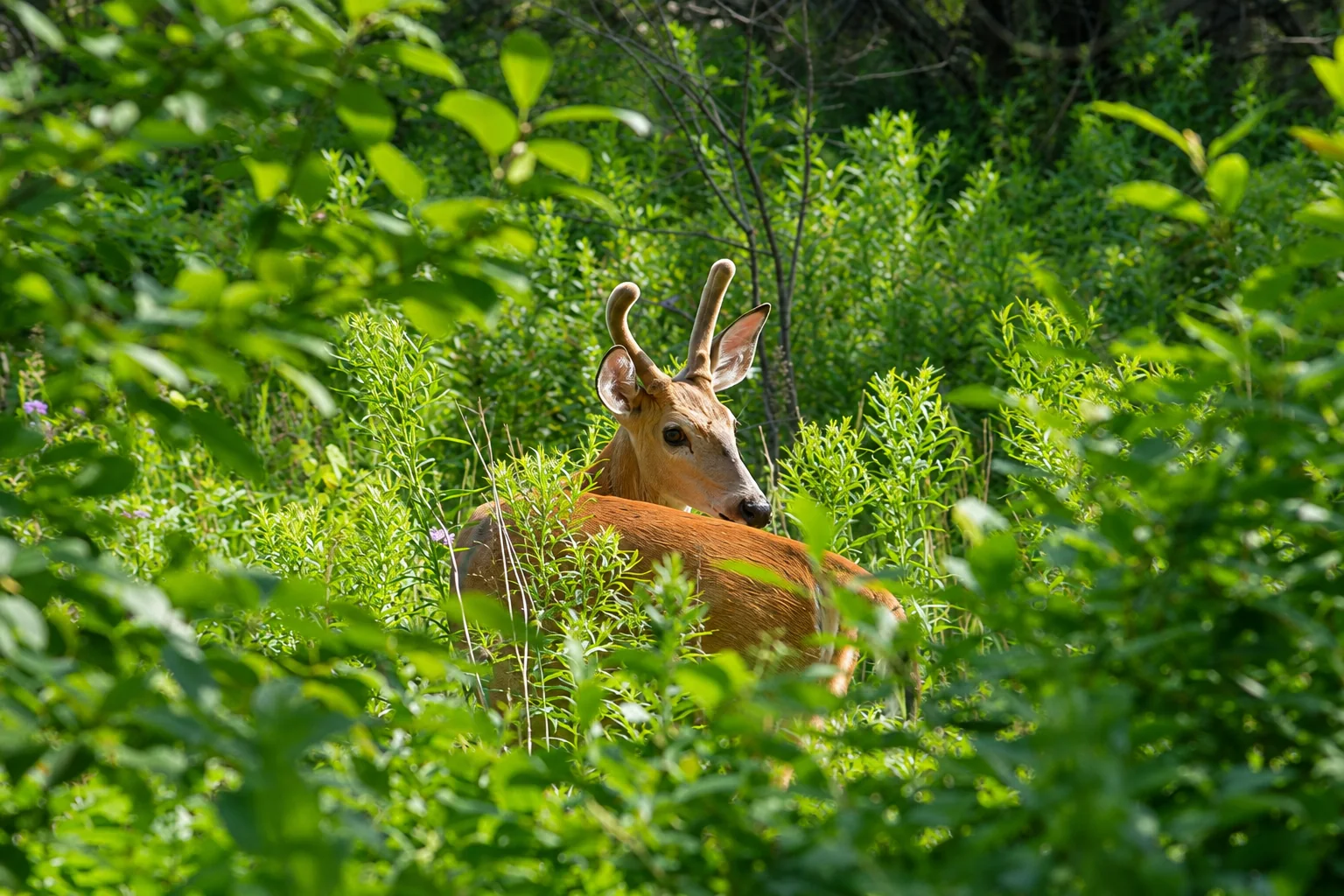
White-tailed deer are a signature mammal, although they often remain concealed until a quiet moment at a woodland edge. Birdlife changes dramatically through migration. Wetlands support turtles, frogs and water birds, while summer meadows draw butterflies and other pollinators. Scan quietly and watch movement at habitat boundaries.
Choose your own pace
Short walks can focus on one habitat; longer routes let you combine forest and wetland. Morning generally offers softer light and less trail traffic. Bring binoculars, water and footwear suited to mud or uneven ground, and stay on marked trails to protect sensitive areas.
Wildlife comes first
Never feed deer, coyotes or any other wild animal. Keep a generous distance, secure food and give animals an easy escape route. If your presence changes an animal’s behaviour, you are too close. Photograph from the trail and resist the urge to follow an animal into vegetation.
Animals to look for
Wild sightings are seasonal and never guaranteed. In managed settings, daily animal care can also affect viewing.
- White-tailed deer
- Coyote
- Blanding’s turtle
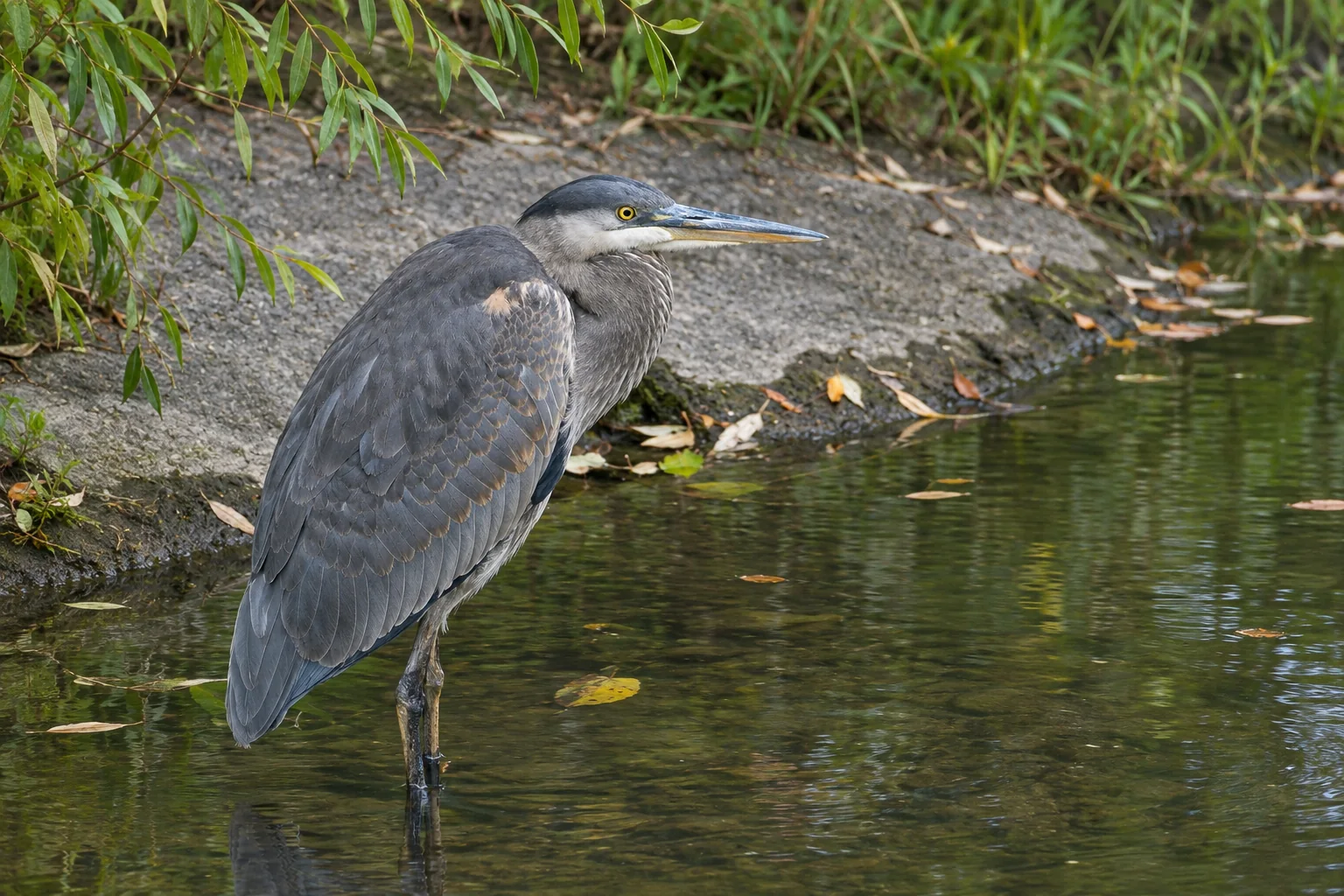
- Great blue heron
- Migrating warblers
- Native pollinators