Gardens connected to a river system
Humber Arboretum covers roughly 100 hectares around the West Humber River. Its designed gardens are only one part of the experience. Beyond them, natural areas and trails link into a much larger river corridor where animals can move through the northwest of the city.
Change your focus along the trail
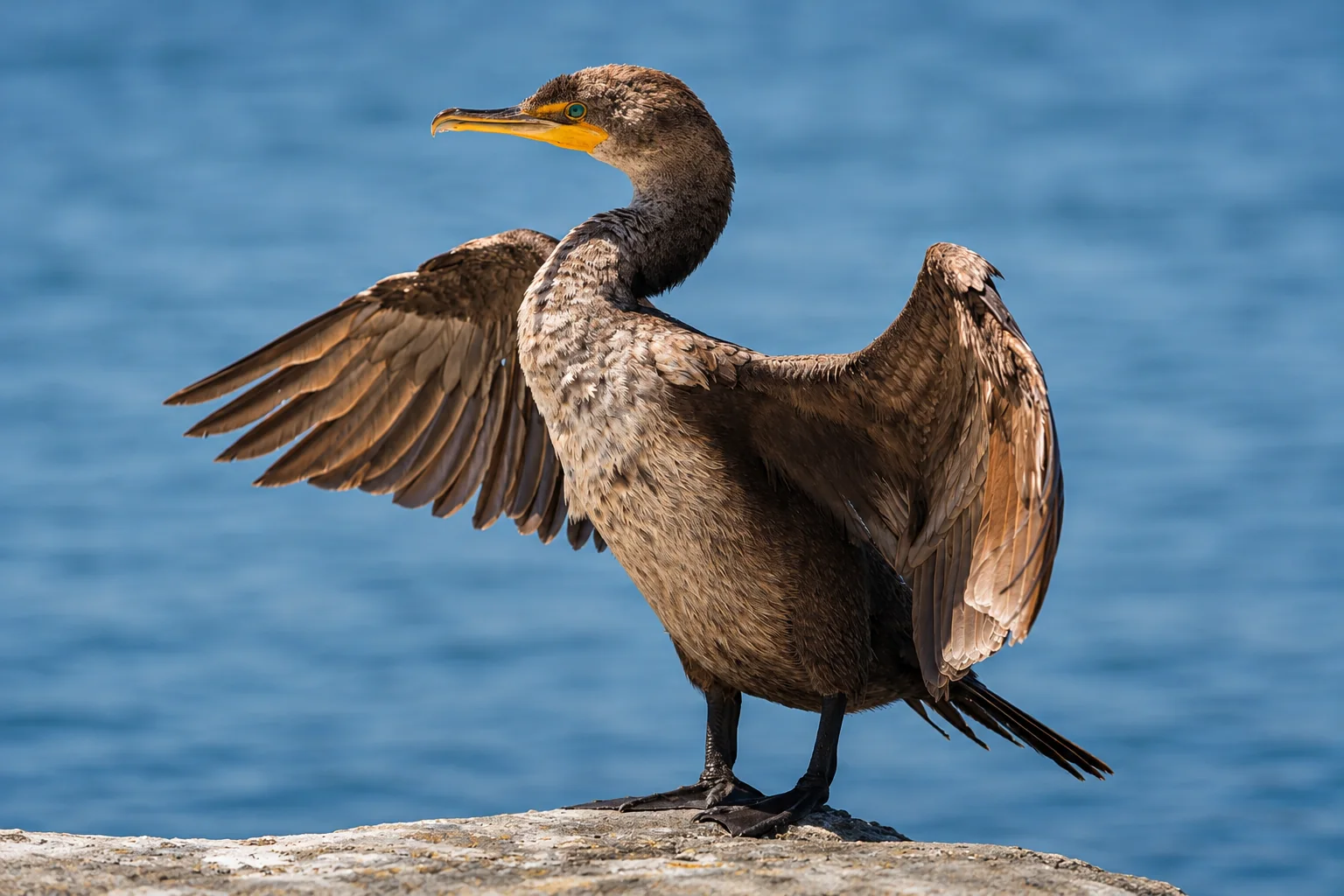
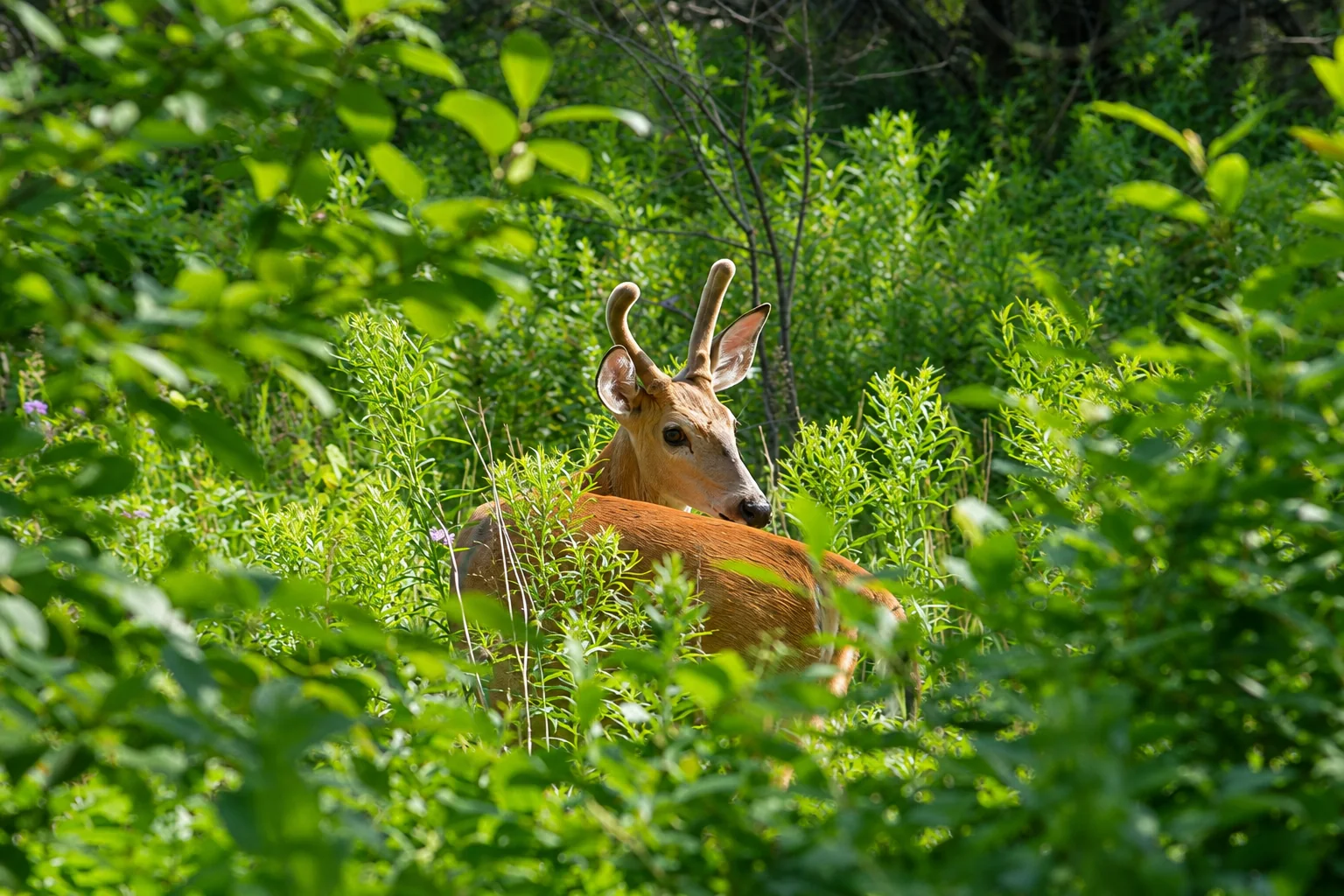
Flower beds can reveal native bees and butterflies at close range. Pond edges may hold water birds and amphibians, while forest routes favour woodpeckers, songbirds and cautious mammals. Rather than searching for one species, adjust your attention as the habitat changes.
Choose the right path
Level and gently sloping routes around the main gardens differ from steeper, uneven natural trails. Rain can change underfoot conditions, especially near the river. Review the trail map, carry water and turn back if conditions exceed your comfort or mobility.
Plan a free visit
The gardens and trails are free to visit and open to the public on a regular schedule. The Centre for Urban Ecology has more limited arrangements than the outdoor grounds. Drivers should check current campus parking and gate instructions before arrival.
Animals to look for
Wild sightings are seasonal and never guaranteed. Remain on paths and avoid disturbing vegetation or water edges.
- Songbirds
- Woodpeckers
- Water birds
- Native bees
- Butterflies
- Small mammals
Visitor questions
Is Humber Arboretum free to visit?
The gardens and trails are free to visit. Opening arrangements and parking instructions should be checked before arrival.
What habitats are at Humber Arboretum?
The grounds include ornamental gardens, ponds, meadow, forest and access to the West Humber River corridor.
Are the nature trails difficult?
Routes vary from level garden paths to steeper or uneven natural trails. Choose a route that matches current conditions and your mobility.