A park built around varied edges
Colonel Samuel Smith Park brings together open water, protected shoreline, wetland and meadow. These transitions are valuable because birds feed, rest and shelter in different conditions. A short pause at one edge can reveal activity that a quick walk passes by.
Start at the wetland lookout
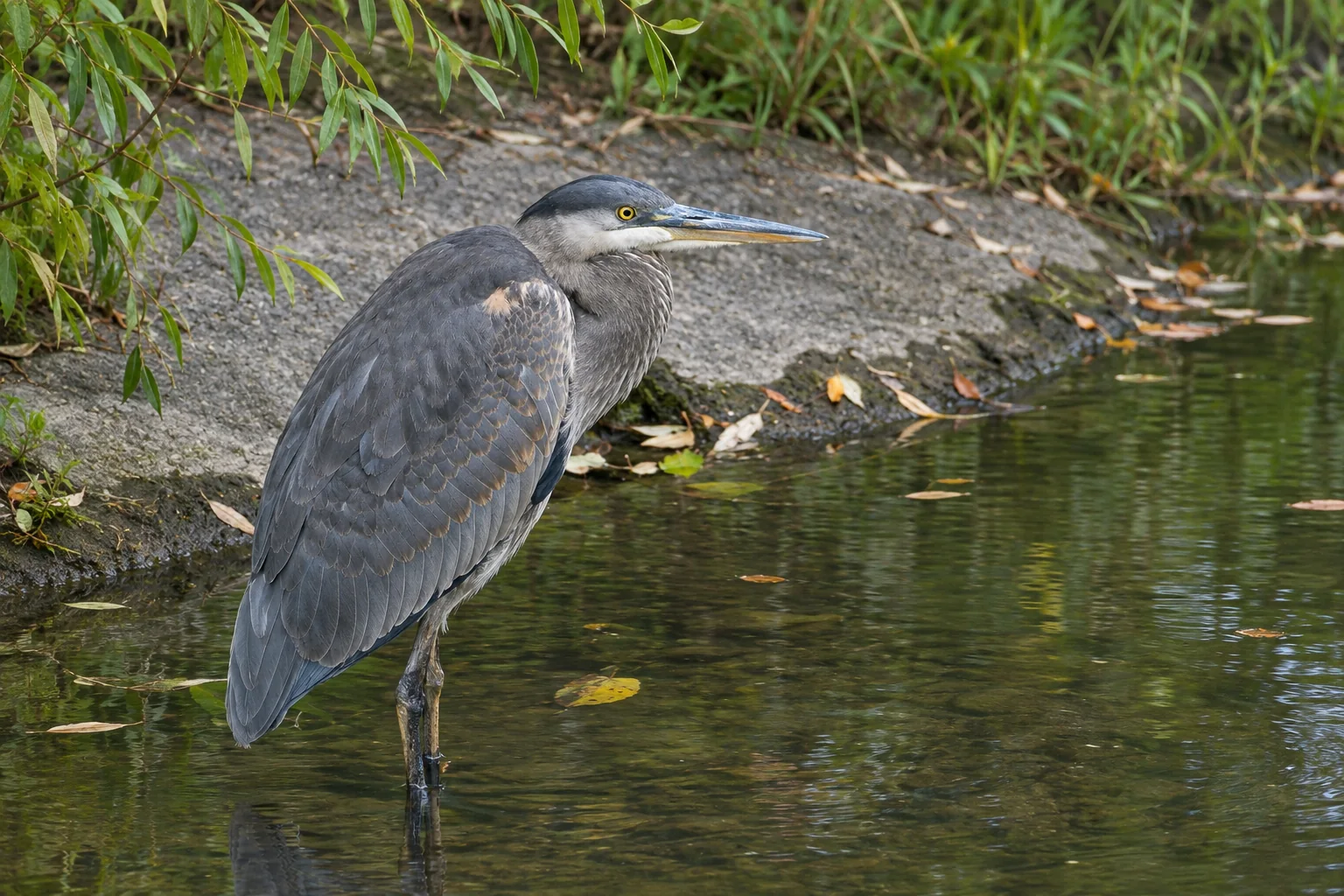
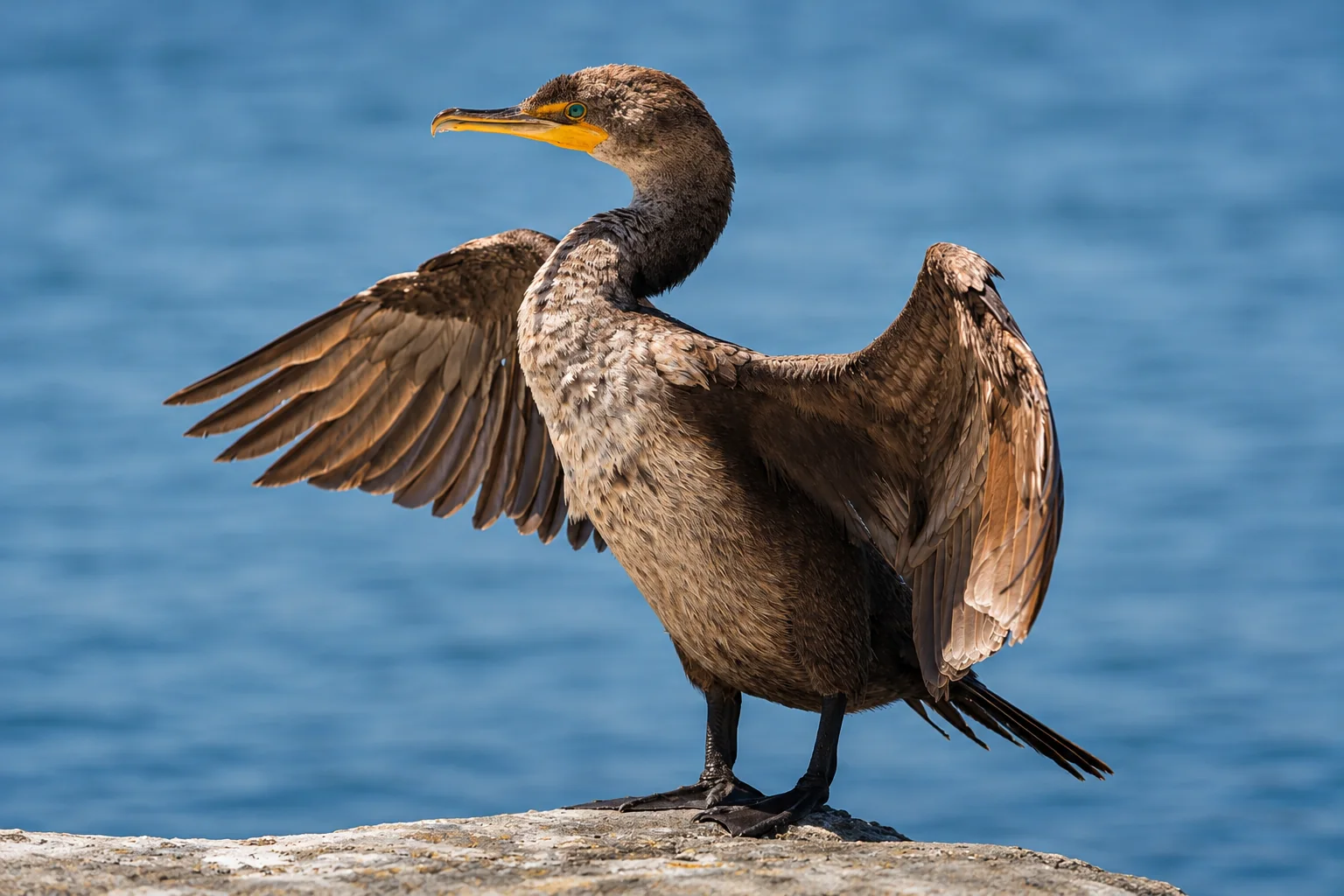
The lookout provides a broad view without entering sensitive vegetation. Scan the surface for waterfowl, then watch reeds and low branches for smaller birds. Cormorants may use open perches to dry their wings, while herons prefer quiet shallows. Keep voices low so resting animals can remain where they are.
Migration changes the park
Spring and autumn bring movement through the lake corridor, including songbirds that use trees and meadow edges. Summer can add swallows and active insects, and winter viewing turns toward hardy waterfowl wherever water remains open. Weather and ice conditions make every visit different.
Share a busy waterfront
The park also attracts walkers, cyclists and families. Step aside with binoculars rather than blocking a route, and keep dogs away from wildlife areas unless signs explicitly permit them. Never use recorded calls or approach a nest for a clearer photograph.
Animals to look for
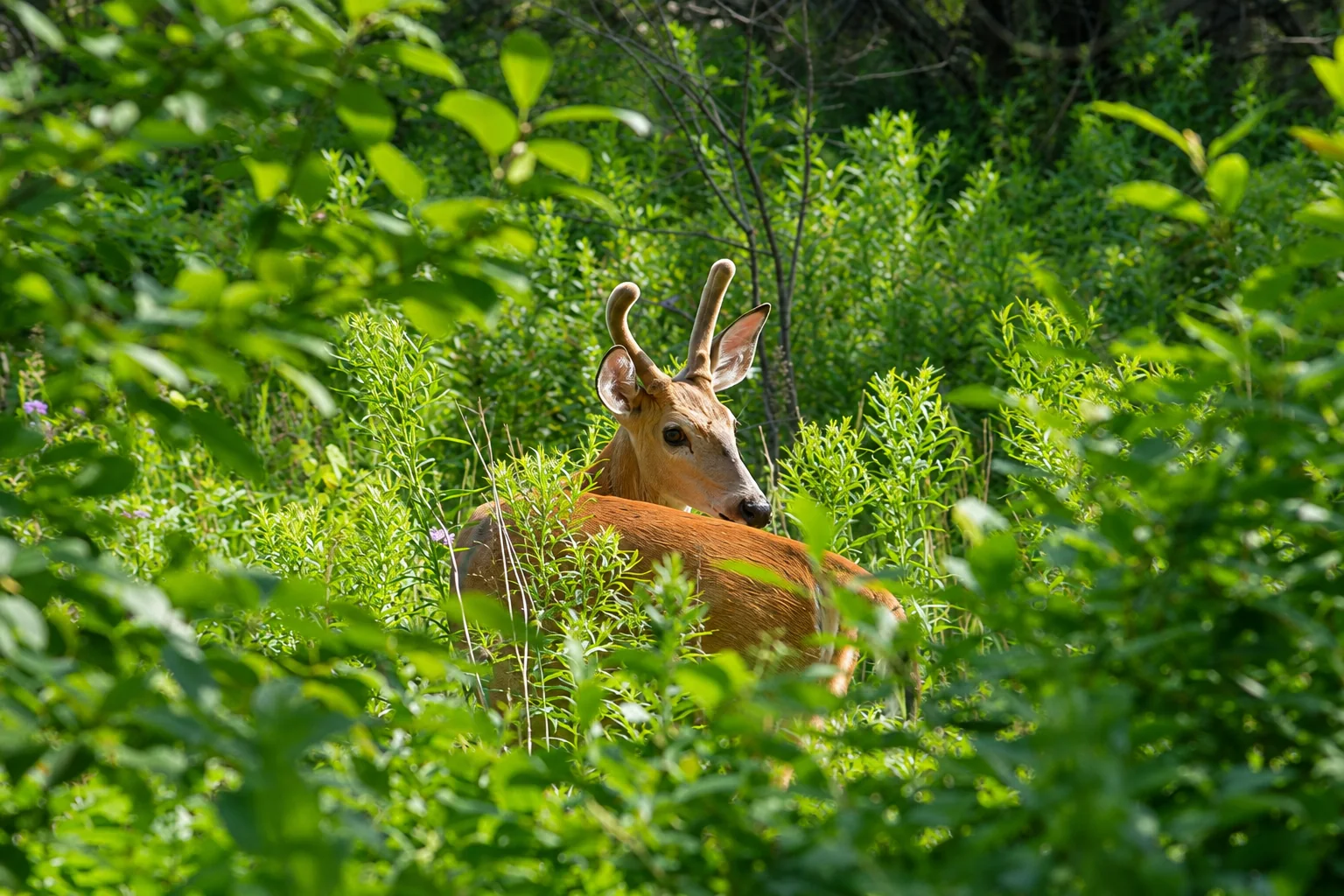
Wild sightings are seasonal and never guaranteed. Watch from established paths and give nests a wide berth.
- Double-crested cormorant
- Waterfowl
- Great blue heron
- Migrating songbirds
- Swallows
- Wetland insects
Visitor questions
Is Colonel Samuel Smith Park good for birdwatching?
Yes. Wetland, meadow and lakeshore habitats support different birds through the year, especially during spring and autumn movement.
Where should I watch wildlife in the park?
Use the wetland lookout and established paths to scan sheltered water and vegetation without disturbing habitat.
Is there an admission fee?
The park is free to visit. Check current parking and waterfront access notices before travelling.