Two shores, several habitats
Humber Bay Park East and West extend into Lake Ontario near the mouth of Mimico Creek. Their sheltered water, wetland vegetation and exposed outer shoreline attract different animals. A complete walk can move from quiet pond edges to windier open-water viewing.
Look into the wetland
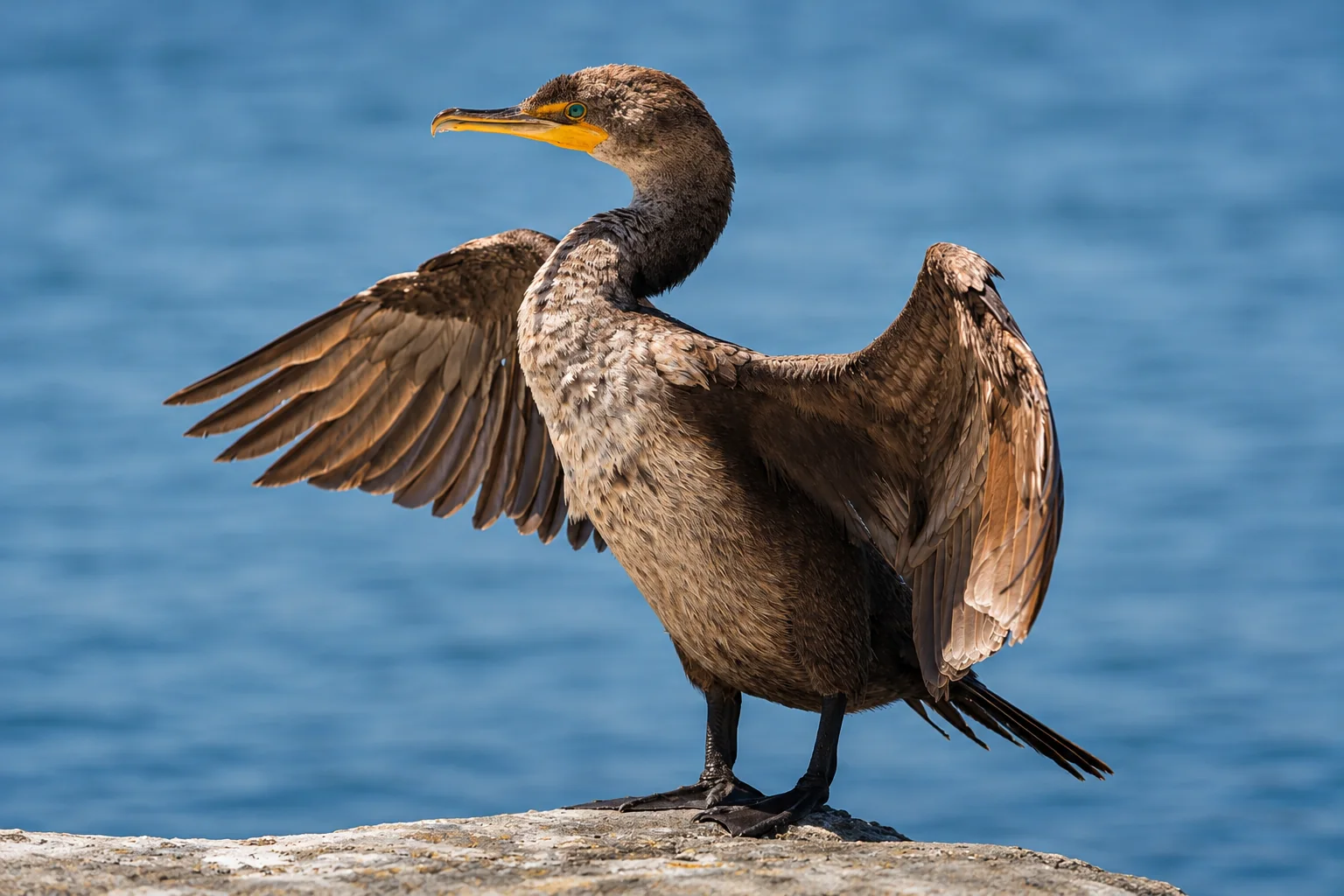
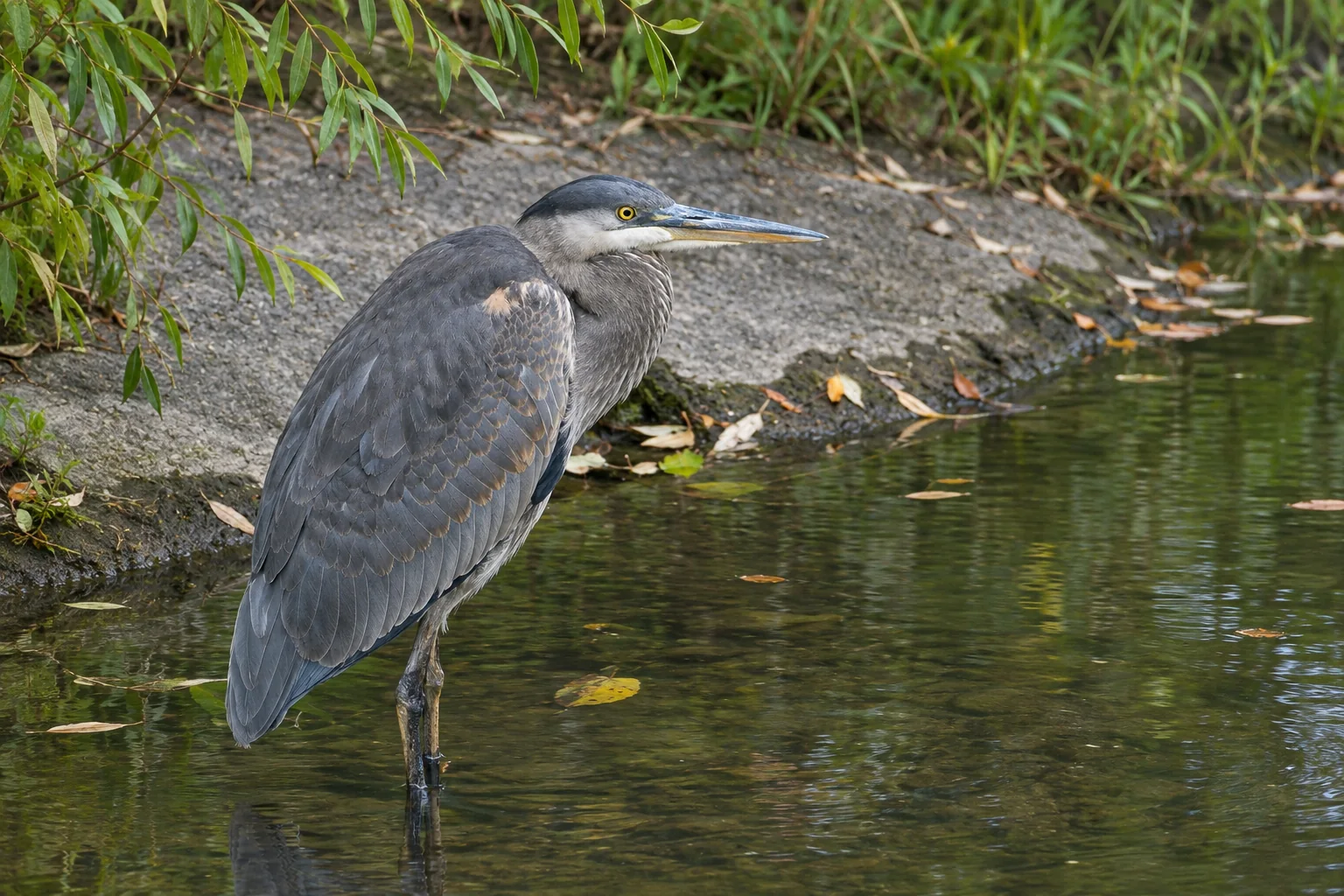
Herons may stand motionless where shallow water meets cover, while ducks and other waterfowl use calmer bays. Frogs, turtles and small mammals inhabit suitable edges but are easy to overlook. Watch from paths and lookouts rather than pushing into reeds or approaching a feeding animal.
Butterflies need more than flowers
The Humber Bay Butterfly Habitat uses native plants to support different stages of insect life. Warm, calm days are best for observing adults in flight, but leaves and stems also deserve attention for caterpillars and other insects. Stay on the trail and avoid handling or collecting anything.
Let the season set the route
Spring and autumn can bring migrating birds through the waterfront corridor. Summer shifts attention toward pollinators and wetland activity, while winter birding often centres on open water. Wind off the lake can be strong, so bring an extra layer and binoculars suited to distant viewing.
Animals to look for
Wild sightings are seasonal and never guaranteed. Sensitive nesting or resting areas should be left undisturbed.
- Great blue heron
- Waterfowl
- Migrating songbirds
- Native butterflies
- Frogs
- Small mammals
Visitor questions
What animals can I see at Humber Bay Park?
Depending on the season, visitors may see waterfowl, herons, songbirds, butterflies, frogs and small mammals. Sightings vary with weather and habitat activity.
Where is the butterfly habitat?
The Humber Bay Butterfly Habitat is in Humber Bay Park East. Native plants support butterflies and other pollinators through the growing season.
Is Humber Bay Park free to visit?
The public park and trails are free to access. Check current parking, construction and waterfront notices before visiting.