A working farm inside the city
Riverdale Farm is not a petting zoo arranged around constant contact. It is a working farm where animal care and daily routines set the pace. Paths connect paddocks, barns and garden areas, giving visitors a chance to understand domestic animals in a managed landscape.
Watch behaviour, not just appearances
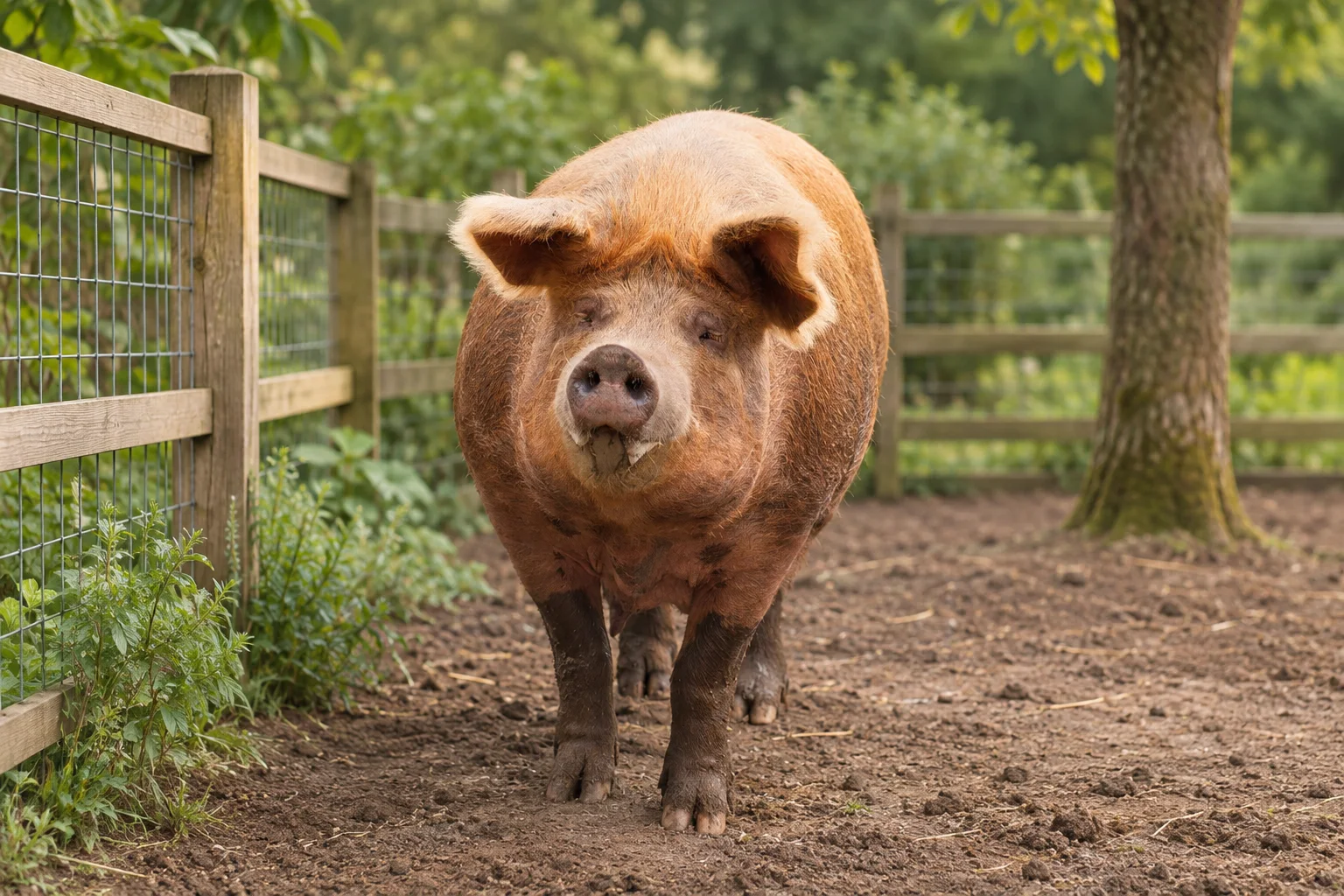
Pigs may investigate smells along the ground, sheep gather to graze or rest, and poultry use sheltered corners as well as open yards. Horses and other larger animals can be easier to observe from a calm position at the fence line. Wait quietly and small behaviours become more noticeable.
Build a slower route
The farm is compact enough for a short outing but rewards a second loop. An animal that was resting indoors may later return to a paddock. Morning visits can be quieter, while weather and farm work determine where animals spend their time. Check current hours before setting out.
Respect the farm routine
Keep hands and food away from fences, follow staff instructions and never enter an enclosure. Children should stay close to adults and avoid sudden running or shouting near animals. The neighbouring ravine paths can extend the walk, but farm rules and wildlife etiquette remain distinct.
Animals to look for
The collection and viewing locations can change with weather, veterinary care and farm operations.
- Pigs
- Horses
- Sheep
- Goats
- Cows
- Chickens and other poultry
Visitor questions
Which animals can I see at Riverdale Farm?
Visitors may see pigs, horses, sheep, goats, cows, chickens and other domestic animals. Animals can be indoors, outdoors or off view depending on care and weather.
Is Riverdale Farm free to visit?
Admission is free. Check current daily hours and any programme notices before travelling.
Can visitors feed or touch the animals?
Do not feed the animals or reach through barriers. Any contact should take place only within a clearly supervised farm programme.