A small zoo within a large landscape
High Park Zoo offers a different experience from a full-day destination zoo. Its enclosures sit along park paths, making the animal display part of a wider walk through woodland, gardens and pond habitat. The setting encourages an unhurried visit rather than a race between exhibits.
Animals associated with the collection
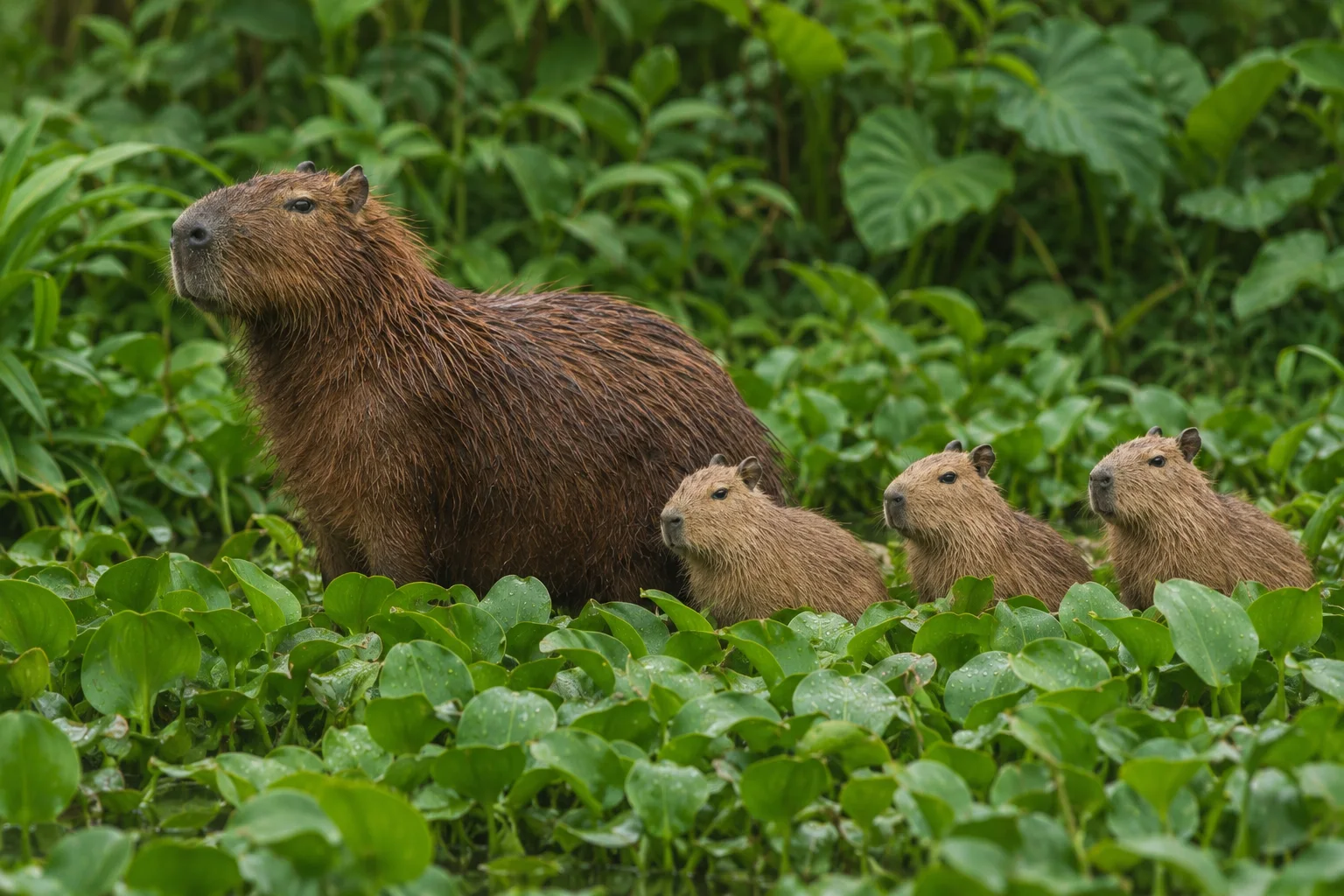
Capybaras are among the most recognisable residents. The collection has also included American bison, wallabies, fallow deer, mouflon and Barbary sheep, emus and peafowl. Each group uses space differently, from grazing and resting to dust bathing and watching activity along the path.
Current construction status
The animal display closed on October 13, 2026 for Phase 2 of the High Park Zoo Master Plan. Reopening is planned for early 2027. Construction can alter nearby routes and viewing areas, so follow current notices and do not enter fenced work zones. The reopening date and animal arrangements should be checked again before planning a visit.
Nature beyond the enclosures
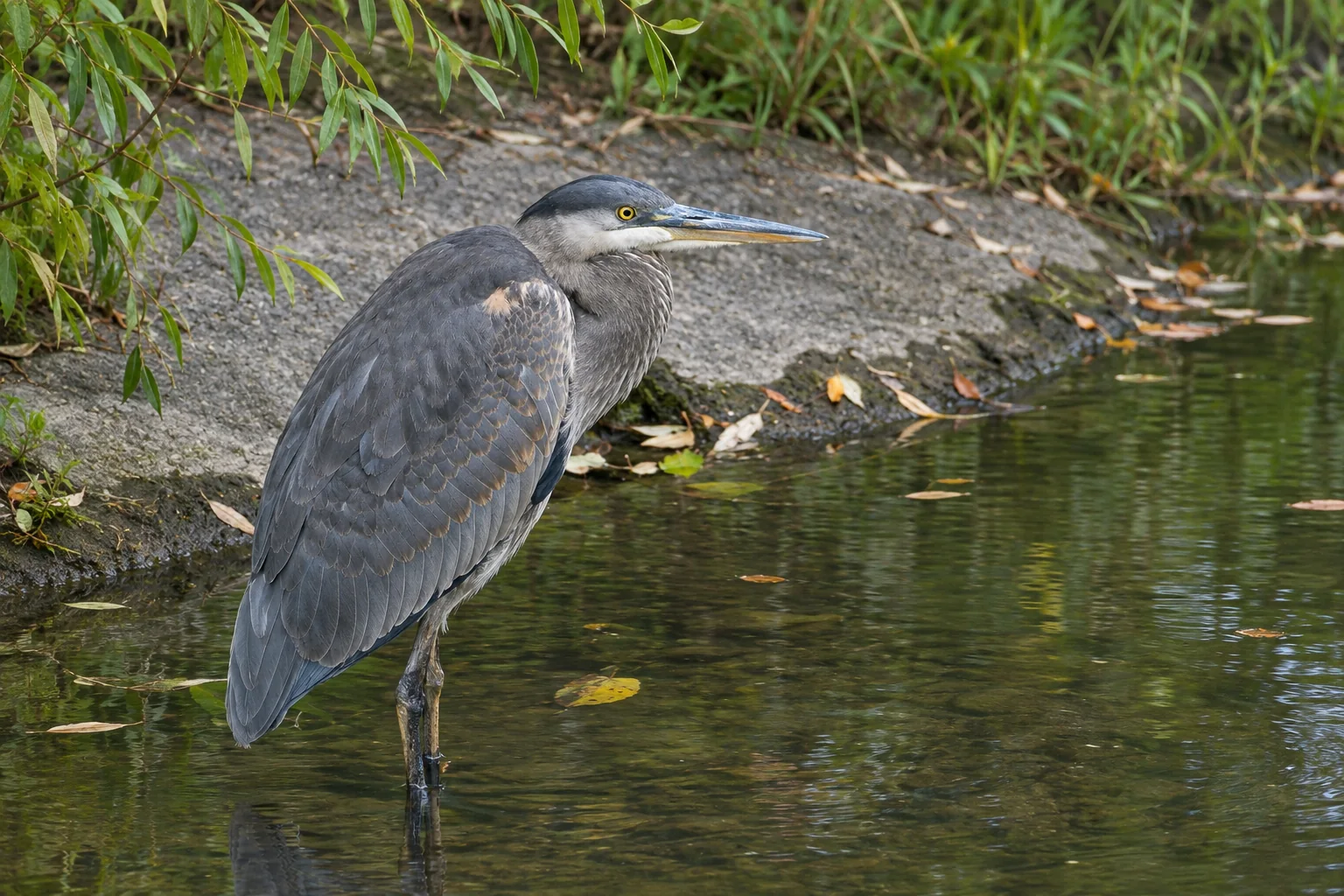
High Park itself still offers opportunities to watch wild animals. Grenadier Pond attracts water birds, woodland edges can reveal woodpeckers and songbirds, and native planting supports insects through the warmer months. Give these animals the same quiet attention you would give the managed collection.
Animals to look for
Managed viewing depends on animal care and the current construction programme. Wild sightings are seasonal and never guaranteed.
- Capybara
- American bison
- Wallaby
- Fallow deer
- Emu
- Peafowl
Visitor questions
Is High Park Zoo open now?
The animal display closed on October 13, 2026 for Phase 2 construction. Reopening is planned for early 2027; check the latest project notice before visiting.
Which animals are part of the collection?
The collection has included capybaras, American bison, wallabies, deer, sheep, emus and peafowl. Viewing and the collection can change during redevelopment.
Can I still look for wildlife in High Park?
Yes. Park trails, pond edges and restored habitats remain useful for birding and nature observation, although construction access notices should be followed.